
Student Success through Spiritual Intelligence: A Path to Holistic Education
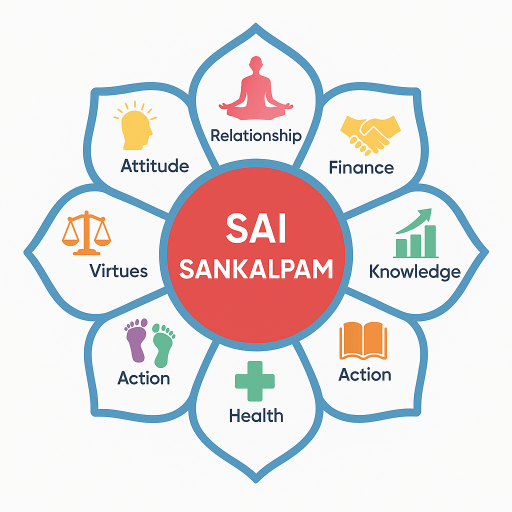
In the pursuit of academic success, students often focus on rote learning, standardized tests, and competitive grades. While these factors might play a role in conventional educational systems, they often fall short in nurturing the complete individual—intellectually, emotionally, and spiritually. To truly excel, students must tap into their spiritual intelligence, which fosters not only academic achievement but also development in health, relationships, financial wisdom, and knowledge.
The Four Pillars of Real Education
True education is not limited to the transmission of knowledge. It must encompass the Four Pillars: Health, Relationships, Finance wisdom, and Knowledge. These pillars act as cornerstones, supporting the balanced development of every student.
-
Health: Physical and mental well-being are crucial for learning. Without a healthy body and mind, students often find themselves unable to absorb or apply knowledge effectively. Promoting wellness through proper nutrition, physical exercise, and mindfulness practices can lead to a more focused and efficient learning process.
-
Relationships: Interpersonal connections shape a student’s educational journey. Emotional intelligence, empathy, and effective communication are vital in forming healthy relationships with peers, educators, and family. This relational intelligence enhances collaborative learning and creates a supportive learning environment.
-
Finance Wisdom: Understanding and managing finances is an essential life skill. It goes beyond mere academic teaching to foster a sense of responsibility and strategic thinking. By learning to budget, save, and invest wisely, students can ensure that their financial future is stable, allowing them to focus on academic and personal growth without the anxiety of financial insecurity.
-
Knowledge: This pillar is not just about accumulating information but understanding and applying it in meaningful ways. It involves a higher order of thinking skills such as critical analysis, problem-solving, and innovative thinking. Knowledge should empower, enlightening the students to become informed and responsible global citizens.
The T.E.A.R. Formula: Transforming Thoughts into Action
The T.E.A.R. Formula is a powerful tool that helps students transform their thoughts into focused energy and disciplined actions. T.E.A.R. stands for Thought, Energy, Action, and Result.
-
Thought: The inception of success begins with a single, resolute thought. Encouraging students to establish clear goals and visions that resonate with their core values can inspire purposeful learning.
-
Energy: Once the thought is clear, students must channel their energy towards it. This involves cultivating enthusiasm and focusing their mental and physical resources. Meditation and mindfulness can enhance concentration, helping students hone their energy in the right direction.
-
Action: Without action, even the most brilliant thoughts and intentions remain dormant. By instilling discipline and consistent effort, students turn theoretical knowledge into practical applications. Encouraging regular study rituals can create a structured path to achieving their goals.
-
Result: When thoughts are backed by energy and action, successful outcomes follow. Students often find that their accomplishments are not just measured by grades, but by deeper satisfaction and personal growth. The results achieved through the T.E.A.R. Formula are often sustainable and fulfilling.
Practical Study Rituals for Success
Establishing practical study rituals can enhance learning effectiveness. Here are some approaches:
-
Set Clear Goals: Begin each session with specific goals in mind. This helps maintain focus and provides a roadmap for the study session.
-
Create a Conducive Environment: A quiet, organized study space can minimize distractions and enhance concentration.
-
Use Active Learning Techniques: Engage with material actively through summarization, teaching others, or applying concepts to real-life situations.
-
Regular Breaks: Implement the Pomodoro Technique, working for intervals of 25 minutes followed by short breaks to maintain mental alertness.
-
Reflect and Adapt: Encourage self-assessment and reflection after study sessions. This enables students to adapt their strategies and improve continuously.
Sai Quote on Education and Character
The essence of education is beautifully encapsulated in a quote by Sai Baba, who said, “The end of education is character.” This statement underscores the idea that education should cultivate moral values and character, guiding students to become ethical and responsible members of society. Character development should align with academic pursuits, leading to a well-rounded, virtuous life.
In conclusion, achieving student success through spiritual intelligence involves more than just academic learning. By integrating the Four Pillars—Health, Relationships, Finance Wisdom, and Knowledge—students can achieve a balanced and enriching education. The T.E.A.R. Formula provides a framework to transform potential into success through mindful thoughts, focused energy, disciplined actions, and rewarding results. Practical study rituals further enhance this journey, ensuring that students emerge not only as scholars but as holistic individuals ready to contribute positively to society.
For more insights on holistic education and character development, visit [insert website link here].
End Line: Let real education illuminate your path to success, crafting not just knowledgeable individuals, but enlightened souls.
🙏 Support SaiSankalpam
If this content has helped or inspired you, you may offer a voluntary contribution.
⚠️ Disclaimer:
This is a voluntary contribution. No goods or services are sold.
Payments are processed securely by your UPI app.
SaiSankalpam does not store or access your payment information.
Before you leave, offer Aarathi to Swamy and take His blessings
👁️ Viewed by 33,398 readers