
Unlocking Student Success through Spiritual Intelligence
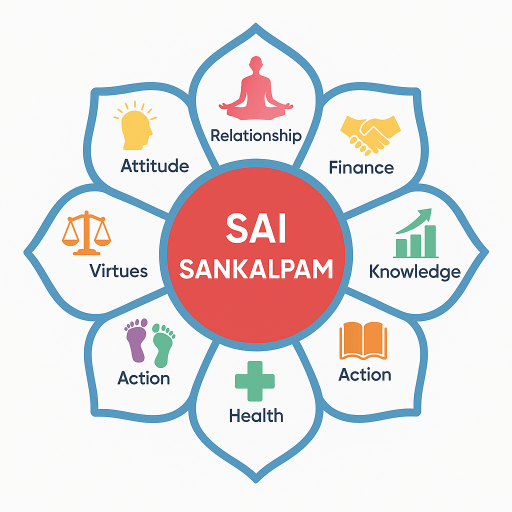
In today’s fast-paced world, where academic pressures are at an all-time high and distractions abound, students often find themselves grappling with stress and confusion about their future. In my years of experience as an educator and philosopher, I’ve observed that bridging the gap between academic learning and personal growth is essential for student success. One key to this holistic development is Spiritual Intelligence. Through spiritual intelligence, students can cultivate a deeper sense of purpose, self-awareness, and a balanced life. Here, I will explore how spiritual intelligence can be integrated with the Four Pillars of Education to nurture students’ health, relationships, financial wisdom, and knowledge, ultimately leading to a well-rounded education.
The Four Pillars of Education
The concept of the Four Pillars of Education, proposed by UNESCO, serves as a foundation for lifelong learning, emphasizing the comprehensive development of individuals. These pillars are: Learning to Know, Learning to Do, Learning to Live Together, and Learning to Be. By embedding spiritual intelligence within these pillars, we can address the holistic needs of students, enabling them to succeed not just academically, but in all facets of life.
-
Health (Learning to Be):
Spiritual intelligence fosters self-awareness and mental peace, which are crucial for maintaining good health. By encouraging students to engage in mindfulness practices or meditation, we help them reduce stress, increase focus, and develop a positive mindset. Such practices empower students to take care of their physical and mental well-being, making them more resilient to life’s challenges. -
Relationships (Learning to Live Together):
Effective communication and empathy are cornerstones of healthy relationships. Spiritual intelligence helps students recognize their own emotions and those of others, improving their interpersonal skills and emotional intelligence. In educational settings, this translates to better teamwork, conflict resolution, and a supportive learning environment. -
Financial Wisdom (Learning to Do):
Financial wisdom goes beyond managing money; it’s about making ethical and sustainable choices. Spiritual intelligence can guide students to understand the impact of their financial decisions on themselves and the wider community, fostering a sense of global responsibility. Through this lens, students learn to approach finances with ethics and foresight. -
Knowledge (Learning to Know):
Spiritual intelligence enriches traditional learning by deepening students’ understanding and connection with the material. Rather than rote memorization, students are encouraged to question, reflect, and integrate knowledge into their personal lives, leading to a more meaningful educational journey.
Transforming Thoughts into Actions: The T.E.A.R. Formula
To equip students with the tools they need to manifest their potential, I advocate for the T.E.A.R. Formula. This formula is a powerful framework for transforming thoughts into focused energy and disciplined actions, vital for achieving any goal.
-
Thought (T): Begin by cultivating positive and purposeful thoughts. Encourage students to set clear intentions and visualize their desired outcomes. By integrating spiritual intelligence, students can refine their thought processes, ensuring they align with their core values and aspirations.
-
Energy (E): Thoughts possess energy that affects our well-being and actions. By maintaining a positive outlook, students generate constructive energy. Spiritual practices like meditation and affirmations further amplify this energy, enabling students to approach their studies with enthusiasm and vigor.
-
Action (A): Discipline bridges the gap between thought and achievement. Spiritual intelligence instills a sense of discipline in students, guiding them to overcome procrastination and distractions. It empowers them to take consistent, deliberate actions towards their goals.
-
Reflection (R): Finally, reflection ensures ongoing growth and learning. By examining their experiences, students can identify what works and what needs adjustment. This cycle of reflection fueled by spiritual intelligence fosters continuous improvement.
Practical Study Rituals
Incorporating simple yet effective study rituals can significantly enhance students’ learning experiences. Here are a few rituals that align with spiritual intelligence:
-
Mindful Starting and Ending: Begin and end study sessions with a brief meditation or breathing exercise. This helps in centering the mind, reducing anxiety, and improving focus.
-
Gratitude Journaling: Encourage students to maintain a gratitude journal. Writing down things they are grateful for at the end of each day fosters positivity and reinforces what they learn.
-
Dedicated Study Space: Creating a calm and inspiring study environment can promote concentration. Use elements that resonate with students’ inner peace, such as candles, plants, or motivational quotes.
-
Regular Reflection: Allocate time for weekly reflections on study progress and personal growth. This habit aids in reinforcing strengths and identifying areas for improvement.
Sai Baba’s Wisdom: Education and Character
As the revered spiritual leader Sai Baba once said, “The end of education is character.” This profound insight epitomizes the purpose of holistic education. True success is not measured by academic excellence alone but by the development of character and values. Spiritual intelligence is the catalyst that fosters this character, bridging the divide between education and life’s deeper purpose.
Conclusion
To cultivate student success, educators must integrate spiritual intelligence into the educational journey. By embedding it within the Four Pillars of Education and utilizing the T.E.A.R. Formula, students can transform their thoughts into action, nurturing their health, relationships, financial wisdom, and knowledge. Empowered by spiritual insights, students are better prepared to face challenges with resilience and integrity, ultimately blossoming into well-rounded individuals who contribute positively to society.
If we dedicate ourselves to this holistic approach, we can build an education system that not only equips students with knowledge but molds them into compassionate, thoughtful, and successful individuals ready to make a difference in the world. This is not just an investment in their futures, but in the betterment of society as a whole. Let us recognize the power of spiritual intelligence in paving the path to true student success.
[End of article]
For more insights on holistic education and student success, visit Dr. Ravindranath G’s website.
🙏 Support SaiSankalpam
If this content has helped or inspired you, you may offer a voluntary contribution.
⚠️ Disclaimer:
This is a voluntary contribution. No goods or services are sold.
Payments are processed securely by your UPI app.
SaiSankalpam does not store or access your payment information.
Before you leave, offer Aarathi to Swamy and take His blessings
👁️ Viewed by 9,890 readers