
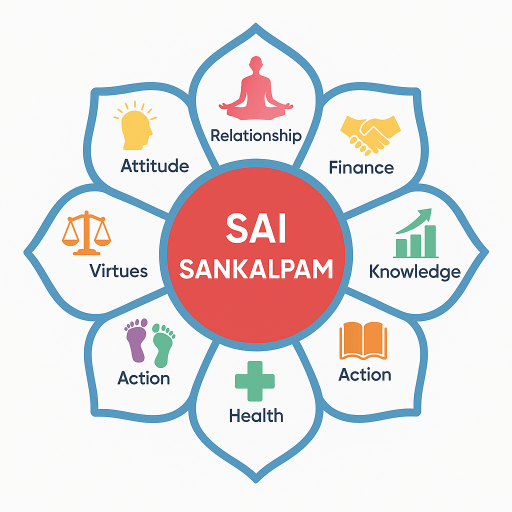
Title: Embracing Sathya Sai Baba’s Core Spiritual Principles for a Harmonious Life
In a world filled with constant distractions and chaos, many seek a path to inner peace and happiness. The teachings of Sathya Sai Baba, an esteemed spiritual leader, offer timeless wisdom through the embodiment of five core spiritual principles: Truth, Right Conduct, Peace, Love, and Non-Violence. By integrating these values into our daily lives, we can transform our existence and find profound inner serenity.

1. Truth (Sathya):
Truth is the foundation of integrity and authenticity. Living truthfully means being honest with ourselves and others in all aspects of life. It involves recognizing and accepting reality for what it is rather than living under the cloak of illusion or deception.
Practical Steps: Begin by reflecting on your daily actions and thoughts. Ask yourself if you’re being true to your commitments, beliefs, and values. Set aside time each day for introspection, allowing you to align your actions with your true self. Celebrate the little milestones where you’ve practiced honesty, no matter how insignificant they may seem.
Inspiring Story: Consider the tale of a young teacher who found herself overwhelmed by the pressures of her workload. Instead of hiding her stress, she came clean to her students and colleagues about her struggles. Her honesty not only won their support but also encouraged others to be truthful about their own challenges, fostering a collaborative and supportive environment.
2. Right Conduct (Dharma):
Right Conduct is acting with ethical responsibility and moral discipline. It requires us to distinguish right from wrong and to make choices that contribute positively to the world around us.
Practical Steps: Develop empathy by putting yourself in others’ shoes before making decisions. Practice patience and accountability in interactions with others. Start with small actions, like returning a lost item or lending your skills to those in need, to cultivate a habit of righteousness.
Real-Life Application: A community manager who prioritized transparency and integrity in decision-making saw a decrease in conflicts and an increase in trust and cooperation among team members, as each person felt respected and valued.
3. Peace (Shanti):
Peace is not merely the absence of conflict but a state of mental serenity and harmony. Achieving peace involves calming the mind and cultivating a tranquil atmosphere within and around oneself.
Practical Steps: Dedicate time for mindfulness practices such as meditation or deep breathing exercises. Create a peaceful environment at home with calming music or minimalistic décor. Learn to let go of grudges and grievances, reminding yourself that internal peace begins with forgiveness.
Transformation: An entrepreneur battling stress realized that embracing daily meditation helped clear his mind, which not only improved his mental health but also enhanced his business productivity and decision-making skills.
4. Love (According to):
Love is the universal force that binds us to one another and the world. It’s about extending kindness and compassion beyond personal benefit.
Applicaition in Daily Life: Express love through acts of kindness, such as volunteering, offering compliments, or simply listening to someone in need. Recognize the goodness in others and appreciate their unique qualities.
Uplifting Narrative: An elderly woman’s simple act of knitting hats for the homeless transformed her neighborhood as others joined in, created a community knit-along, spreading warmth and unity.
5. Non-Violence (Ahimsa):
Non-Violence encompasses the avoidance of harm in thought, word, and deed. It’s about promoting harmony and respect for all forms of life.
Practical Steps: Practice non-violence by adopting a lifestyle that minimizes harm, such as consuming sustainably-sourced products. Engage in dialogue instead of argument, focusing on understanding rather than judgment.
Community Impact: A local activist promoting sustainable living and non-violence influenced her community to reduce waste and conserve resources, creating a eco-conscious and harmonious living environment.
Conclusion: Three Actionable Spiritual Practices
-
Daily Reflection: Spend a few minutes each day to reflect on your actions and intentions, ensuring they align with truth and right conduct.
-
Practice Gratitude: Cultivate love and peace by maintaining a daily gratitude journal. Acknowledge the positives in your life and express appreciation regularly.
-
Mindful Communication: Before speaking, consider if your words are true, necessary, and kind. This practice fosters non-violence and empathy in every interaction.
By integrating these principles into everyday life, we can unlock the door to inner peace and contribute positively to the world, inspiring those around us to do the same. Sathya Sai Baba’s teachings pave a path toward a fulfilling and harmonious existence where truth, love, and peace are central to our being.
🙏 Support SaiSankalpam
If this content has helped or inspired you, you may offer a voluntary contribution.
⚠️ Disclaimer:
This is a voluntary contribution. No goods or services are sold.
Payments are processed securely by your UPI app.
SaiSankalpam does not store or access your payment information.