
Title: Unlocking Student Success through Spiritual Intelligence: A Holistic Approach
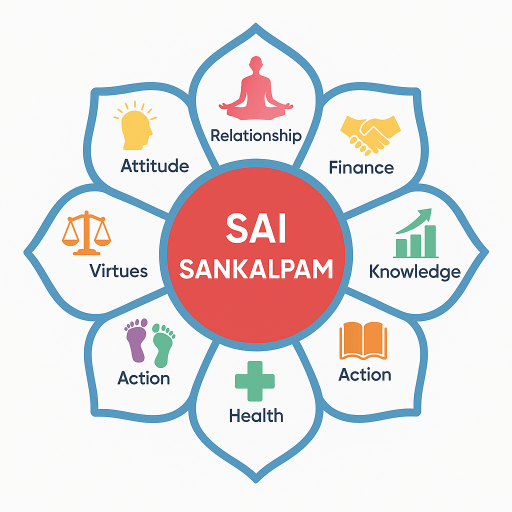
In today’s fast-paced world, academic success is often measured by grades and certifications alone. However, true education transcends these tangible metrics, cultivating a well-rounded individual ready to navigate life’s complexities. As Dr. Ravindranath G, I deeply resonate with the idea that integrating spiritual intelligence into education forms the cornerstone of genuine success. This holistic approach is supported by the Four Pillars of Health, Relationships, Financial Wisdom, and Knowledge, providing a balanced framework that encompasses all facets of life.
Spiritual Intelligence: The Fourth Pillar of Education
Spiritual intelligence is the ability to nurture an inner sense of harmony and purpose. It guides individuals toward values and actions that support their well-being and the greater good. At its core, spiritual intelligence involves self-awareness, empathy, and resilience—qualities necessary for actualizing one’s potential. As the renowned spiritual leader, Sai Baba, wisely stated, “The end of education is character.” This emphasizes the importance of nurturing the spirit, which in turn shapes character and success.
The Four Pillars of Real Education
-
Health: Health is the foundation of a productive life. It encompasses not just physical well-being but also mental and emotional stability. Students need to adopt disciplines such as yoga, meditation, or regular exercise, which enhance concentration, reduce stress, and improve academic performance. A healthy body and mind are crucial for optimal learning.
-
Relationships: Education should foster the ability to build meaningful connections. Effective communication, empathy, and teamwork are essential skills in both personal and professional environments. Students should be encouraged to engage in group activities and collaborative projects, learning the value of cooperation and understanding others’ perspectives.
-
Financial Wisdom: Early education in financial literacy equips students with the tools to manage resources wisely. Understanding budgeting, saving, and investing instills a sense of responsibility and foresight. This pillar empowers students to make informed decisions, reducing the stress associated with financial uncertainty.
-
Knowledge: At the heart of education lies the pursuit of knowledge. However, real knowledge goes beyond textbooks; it involves critical thinking, creativity, and continuous learning. By integrating diverse disciplines, students develop a comprehensive understanding of the world, preparing them for future challenges.
The T.E.A.R. Formula: Transformative Pathway to Success
To effectively integrate these pillars into everyday life, I advocate the T.E.A.R. Formula—transforming thoughts into focused energy and disciplined actions, resulting in real success. This approach involves four key steps:
-
Thoughts: It begins with nurturing positive and constructive thoughts. Students should be encouraged to practice mindfulness, reflecting on their goals and inner motivations. Journaling or daily reflection can help focus these thoughts to align with personal values and aspirations.
-
Energy: Positive thoughts generate positive energy. Students should channel their mental and physical energies toward constructive activities. Maintaining a balance between academic pursuits and recreational activities ensures sustained enthusiasm and drive.
-
Actions: Transforming energy into action is crucial. Students need to set clear, achievable goals and develop a practical action plan. Time management techniques, such as prioritizing tasks and setting deadlines, enable students to work systematically toward their objectives.
-
Results: Disciplined actions lead to tangible results. However, success should also be measured by the growth of character and values. Regular self-assessment helps students recognize their progress, reinforcing their commitment to continuous improvement.
Practical Study Rituals
Incorporating spiritual intelligence and the Four Pillars into practical study rituals can significantly enhance a student’s journey. Here are some practices that students can adopt:
-
Morning Meditation: Starting the day with 10-15 minutes of meditation sets a peaceful and focused tone for the day. It enhances concentration and reduces anxiety.
-
Gratitude Journaling: Evening reflection through gratitude journaling cultivates a positive mindset. Students can note three things they are grateful for each day, reinforcing positivity and resilience.
-
Mindful Breaks: Short, mindful breaks during study sessions help maintain energy and focus. Techniques like deep breathing exercises or a brief walk can rejuvenate the mind.
-
Collaborative Study Sessions: Engaging in group discussions or study sessions enhances understanding through diverse perspectives. It also nurtures teamwork and communication skills.
-
Weekly Planning: At the beginning of each week, students should outline their goals and priorities. This practice creates a roadmap, ensuring that time is allocated effectively for academics, health, and recreation.
Conclusion: Character as the Measure of Success
As we conclude this exploration of student success through spiritual intelligence, it is imperative to recognize that character forms the ultimate benchmark of education. Character embodies the values and principles that guide individuals toward ethical and fulfilling lives. Sai Baba’s insight reminds us that education should not only impart knowledge but also sculpt integrity, compassion, and resilience.
By embracing the holistic framework of the Four Pillars—Health, Relationships, Financial Wisdom, and Knowledge—students can unlock their full potential. The T.E.A.R. Formula further empowers them by transforming thoughts into focused energy and disciplined actions. These elements come together to create a roadmap for not just academic success, but a fulfilling and purposeful life.
In nurturing spiritual intelligence, we equip students with the tools to navigate the challenges of the modern world with grace and conviction. It ensures that they emerge not just as scholars, but as compassionate, empowered individuals ready to contribute positively to society. The journey of education, thus, becomes not just about acquiring knowledge, but about growing into one’s true self.
For more insights on incorporating spiritual intelligence into educational practices, visit Educational Insights.
End with a reminder: Real education transforms lives through character and wisdom, ultimately building a better future for all.
🙏 Support SaiSankalpam
If this content has helped or inspired you, you may offer a voluntary contribution.
⚠️ Disclaimer:
This is a voluntary contribution. No goods or services are sold.
Payments are processed securely by your UPI app.
SaiSankalpam does not store or access your payment information.
Before you leave, offer Aarathi to Swamy and take His blessings
👁️ Viewed by 13,917 readers