
Student Success through Spiritual Intelligence: A Holistic Approach by Dr. Ravindranath G
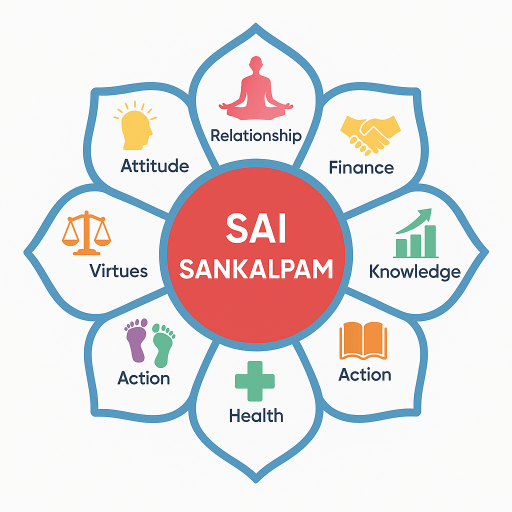
In today’s rapidly evolving world, the quest for student success has never been more pressing. With increasing academic pressures and competitive environments, many students often find themselves overwhelmed, struggling to find balance and purpose. As educators and mentors, we need to guide them beyond the confines of traditional education pathways and nurture their inherent capacities through spiritual intelligence. This encompasses not just academic prowess but a harmonious blend of health, relationships, financial wisdom, and knowledge—captured succinctly in what we can refer to as the Four Pillars of real education.
The Four Pillars of Real Education
-
Health: The foundation of all pursuits is robust health. A sound body enables a sound mind, fostering resilience and vitality. Through spiritual intelligence, students learn to value and practice mindfulness, balancing studies with physical activities like yoga and sports, and embracing healthy eating habits. A healthy student is more attentive, energetic, and ready to take on challenges.
-
Relationships: True success is incomplete without nurturing meaningful relationships. Spiritual intelligence instills empathy, compassion, and effective communication skills. Students learn to work collaboratively, appreciate diversity, and build networks based on trust and mutual respect. This not only aids personal growth but is crucial for professional success.
-
Finance Wisdom: Handling finances is an essential life skill often overlooked in traditional curricula. Spiritual intelligence involves making wise and ethical financial decisions, understanding the value of money, and practicing moderation. By instilling a sense of responsibility and foresight, students can ensure long-term financial stability, contributing positively to community welfare.
-
Knowledge: In the pursuit of wisdom, knowledge serves as a beacon. However, spiritual intelligence emphasizes wisdom over information overload. It encourages critical thinking, creativity, and a lifelong learning mindset. By nurturing curiosity and problem-solving abilities, students are empowered to transcend textbook knowledge and become innovators and thought leaders.
The T.E.A.R. Formula: Transforming Thoughts into Focused Energy and Disciplined Actions
The T.E.A.R. formula—a powerful mnemonic that stands for Thought, Energy, Action, and Result—serves as a robust tool in translating abstract ideas into tangible outcomes. This framework underlines the role of spiritual intelligence in channeling a student’s inner capabilities:
-
Thought: Every achievement begins with a thought. Students are encouraged to foster positive, constructive thinking. Spiritual intelligence teaches students to filter out negativity and self-doubt, focusing instead on clarity of purpose and visualization of goals.
-
Energy: Thoughts alone are passive until charged with intention and enthusiasm. When students align their energy towards their goals, assimilating practices such as meditation and self-reflection, they become more resilient and focused.
-
Action: The third step, action, bridges the gap between visions and their realizations. Spiritual intelligence emphasizes disciplined actions aligned with values and priorities. By setting realistic goals and maintaining a steady pace, students can navigate academic challenges with confidence.
-
Result: Finally, results reflective of genuine efforts guide students towards success. Spiritual intelligence cultivates an attitude of gratitude, recognizing and learning from every outcome, favorable or otherwise.
Practical Study Rituals for Spiritual Growth
Incorporating spiritual intelligence in daily routines enhances academic efforts and personal well-being. Here are effective study rituals that address the Four Pillars and utilize the T.E.A.R. formula:
-
Morning Mindfulness: Begin each day with a few minutes of meditation or deep breathing. This clears the mind, setting a focused and calm tone for the day.
-
Goal Setting and Journaling: Develop a habit of writing down daily goals and reflections. This practice helps organize thoughts and track progress, channeling energy towards clear priorities.
-
Scheduled Breaks: Implement short breaks during study sessions. Utilize these intervals for stretching, hydration, or quick outdoor walks to rejuvenate the mind and body.
-
Gratitude Lists: Cultivate positivity by listing things you are grateful for each day. Acknowledging blessings enhances mental well-being, promoting a growth-oriented mindset.
Sai Quote on Education and Character
The essence of education and spirituality was beautifully captured by the revered Sai Baba, who said, “The end of education is character.” This profound statement underlines the transformative power of education as a catalyst for character building. It’s a reminder that true success is not measured by grades but by the integrity, empathy, and courage a student embodies.
Conclusion
In summation, fostering spiritual intelligence in students is essential for holistic success. By cultivating health, nurturing relationships, promoting financial wisdom, and enriching knowledge, we develop individuals who are not only academically proficient but also principled and life-ready. The T.E.A.R. formula acts as a practical guide, transforming students’ aspirations into reality through focused, disciplined efforts.
As we strive to enrich educational practices, let us remember that real education transcends the pursuit of academic accolades—it shapes character. Let’s empower students to embrace their full potential, guided by the timeless wisdom of spiritual intelligence, to lead purposeful and fulfilling lives.
For additional insights, resources, and guidance on integrating these practices into educational settings, visit MindfulEducation.org. Let us inspire a new generation that values success, not only in any field they choose but in the legacy of humanity they create.
This article reflects a comprehensive approach integrating spiritual intelligence into education, framed with suggested practices and the T.E.A.R. model. If you seek a different focus or additional elements, let me know, and I’ll tailor the content to fit your requirements.
🙏 Support SaiSankalpam
If this content has helped or inspired you, you may offer a voluntary contribution.
⚠️ Disclaimer:
This is a voluntary contribution. No goods or services are sold.
Payments are processed securely by your UPI app.
SaiSankalpam does not store or access your payment information.
Before you leave, offer Aarathi to Swamy and take His blessings
👁️ Viewed by 46,389 readers